
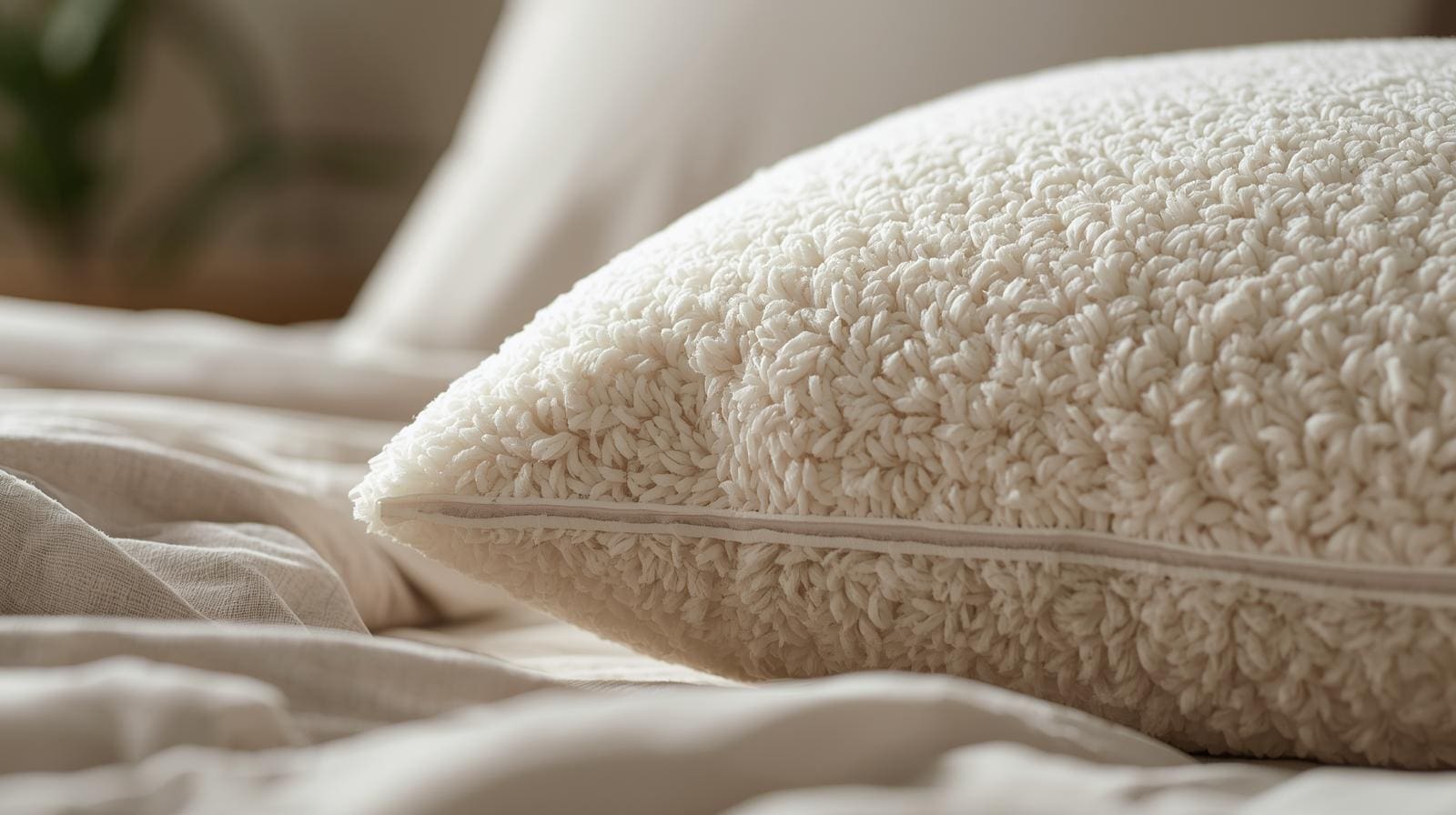
Kapok Pillows: Your Complete Guide to Natural, Plant-Based Comfort
Looking for a pillow that’s soft, breathable, and made from plants? A kapok pillow could fit the bill. Often called a “vegan down” alternative, kapok offers a plush, buoyant feel without animal products. It’s also lightweight and airy thanks to its naturally hollow fibers.
This guide explains what kapok is, how it feels, care tips, and what to weigh before you buy, so you can choose a pillow that matches your sleep style and preferences.
What Is a Kapok Pillow?
A kapok pillow is filled with fibers from the seed pods of the kapok tree (Ceiba pentandra). These fine, silky fibers are very light and naturally hollow, which contributes to a buoyant, cushy feel and good airflow through the fill.
Quick Facts About Kapok
- Material: Natural plant fiber from kapok seed pods
- Feel: Silky, lightweight, buoyant—similar to down but typically lighter
- Airflow: Hollow fibers help promote breathability
- End-of-life: A biodegradable, plant-based fill
Benefits: Why Choose a Kapok Pillow?
Soft, Lightweight, and Plush
Kapok creates a cloud-like surface that gently cradles the head and neck. Many sleepers appreciate its smooth feel compared to cotton.
Breathable Feel
The naturally hollow fibers can allow air to circulate within the fill, which may feel cooler than dense foams to some sleepers. This makes kapok particularly appealing for those who tend to sleep warm.
Plant-Based and Animal-Free
Kapok is a plant fiber, making it a popular down alternative for shoppers who prefer animal-free materials. For those exploring natural options, understanding organic textile certifications like GOTS can help you identify quality products.
Often Adjustable
Many kapok pillows include a zippered cover so you can add or remove fill to fine-tune loft and firmness. Not all products offer this, so check the product description before purchasing.
Considerations: Things to Know Before You Buy
Regular Fluffing Helps
Like down, kapok can compress during use. A quick fluff helps redistribute fibers and restore loft, keeping your pillow performing at its best.
Care: Don’t Wash the Fill
Kapok fill generally should not be machine-washed as it can clump. Most products include a removable, washable outer cover. To refresh the fill, air the pillow in indirect sunlight or tumble on no-heat or air-fluff.
Consider Your Sensitivities
While many sleepers find kapok comfortable, dust and allergens can accumulate in any pillow over time. Use a protective case, wash covers regularly, and replace pillows periodically as needed. If you have specific sensitivities, consult with a healthcare provider about which materials work best for you.
Kapok vs. Other Pillow Materials
If you’re comparing natural options, you might also want to explore how kapok compares to wool for another perspective on natural fills.
| Feature | Kapok Pillow | Down Pillow | Memory Foam |
| Feel | Soft, silky, buoyant | Soft, cloud-like | Dense, highly contouring |
| Animal-free | Yes | No | Yes (synthetic) |
| Breathability (perceived) | Often good to very good | Good | Varies; many foams sleep warmer |
| Adjustability | Often (zippered fill) | Rare | Rare (for solid blocks) |
| Material Origin | Plant fiber | Animal product | Petroleum-derived synthetic |
Who Might Like a Kapok Pillow?
- Side and Stomach Sleepers: The option to adjust fill (when available) can help dial in loft for spinal alignment
- Hot Sleepers: The airy fill may feel cooler than dense foams for some people
- Plant-Based Shoppers: A down alternative made from a natural fiber
- Sensitive to Odors: Typically minimal natural scent compared with some foams, though any natural fiber may have a faint initial smell
For those interested in hybrid options that combine materials, consider exploring our kapok latex pillow guide to learn about blended fills.
Care Tips
Daily Fluff
Fluff to redistribute fibers and maintain loft. This simple habit keeps your pillow performing well.
Refresh the Fill
Air in indirect sunlight or tumble on no-heat or air-fluff (add clean dryer balls) to help re-loft the fibers.
Cleaning
Do not machine-wash the kapok fill. Wash the removable cover per its instructions. Spot-clean the shell as needed and let it dry fully before use.
Frequently Asked Questions
Is kapok good for pillows?
Many sleepers appreciate kapok for its soft, buoyant feel and lightness. If you prefer a plush, down-like sensation without animal products, it’s worth trying, ideally one with adjustable fill.
Are kapok pillows non-toxic?
Kapok is a natural plant fiber. Actual material safety depends on the full product, including fabric, dyes, and treatments. Look for clear disclosures or independent certifications if this is a priority for you.
How long do kapok pillows last?
With routine fluffing and care, several years is common, though lifespan varies by usage, construction quality, and care habits. Regular maintenance and replaceable fill can extend useful life.
Does kapok have a smell?
Most users report little to no odor beyond a mild natural scent that dissipates. Airing the pillow before first use can help if you notice any initial smell.
Can I wash a kapok pillow?
Do not machine-wash the kapok fill as it can clump. Wash the removable cover (if included) per instructions. Spot-clean the shell and allow it to dry thoroughly.
Is kapok eco-friendly?
Kapok is plant-based and biodegradable. Sourcing and processing practices vary by supplier. If sustainability matters to you, look for brands that disclose their sourcing and any relevant certifications.
Experience Plant-Based Comfort
Kapok offers a soft, buoyant feel with a natural, animal-free fill that many sleepers love for its plush comfort and adjustable options.
Ready to find your perfect pillow? Shop our organic kapok pillow collection or learn more about our commitment to natural sleep.